


Internship offers Ohio State students international work experience
STILSA program bridges science, language fields

|
Chris Bournea Ohio State News |
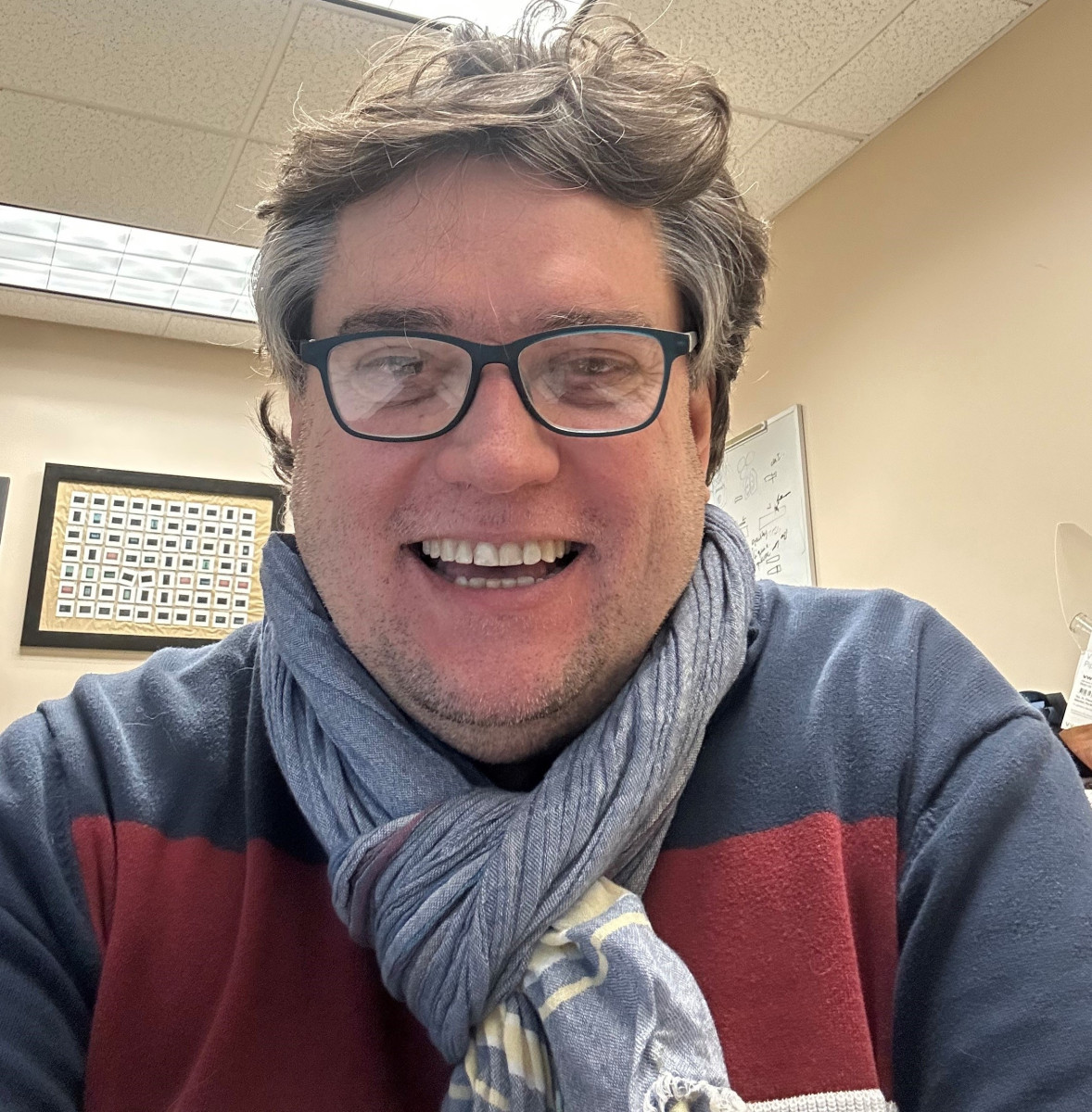
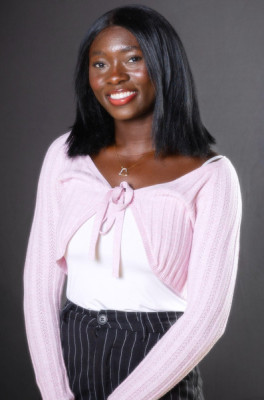
Estelle Apewokin and Matthew Wolfe, students at The Ohio State University who are majoring in science-related fields and are also studying French, say they gained valuable academic and work experience by participating in the Students in Life Sciences Abroad (STILSA) internship program over the spring semester.
STILSA is an international education program that offers paid, career-building and credit-earning experiential learning opportunities for Ohio State students majoring in biology-based subject areas. STILSA has partnered on educational activities with universities and businesses in France, the French West Indies, Colombia, Norway, Brazil and Belgium.
The internship provides students with work experience, helping with the STILSA program’s administrative operations and in fostering and strengthening relationships with Ohio State’s international partners, said Professor Patrice Hamel.
Hamel, a professor of molecular genetics, coordinates the STILSA program and administers the internship with Joi Brihm-Spann, Ohio State’s assistant director of experiential learning and opportunities.
“It was designed to provide a meaningful opportunity to experience firsthand how global education initiatives are developed and sustained,” Hamel said of the internship. “The students’ role allows them to actively use their language skills – particularly French – through regular interactions with our French-speaking international partners.”
 By immersing students in science on a global scale, STILSA aims to promote students’ retention in science, technology, engineering and math (STEM) majors, smooth their transition into the workforce and equip them with skills for long-term success.
“I thought it was cool that it’s kind of an intersection of life science and French experience as well as offering great opportunities for students,” said Apewokin, a biomedical science major. “I wanted to help other students have those same opportunities.”
STILSA activities are open to all undergraduate and master’s degree students in STEM majors.
“There have always been mixes between the two – science and humanities, the intersectionality,” said Wolfe, a dual major in biology and French. “Language and science education is kind of a perfect fit for me.”
During the internship, Apewokin and Wolfe completed a wide range of assignments. One of their major responsibilities was reaching out to students and informing them about what to expect when the new academic year begins in August.
“That’s one of the big things about the internship, is that it’s something that is very individualized and personalized,” Wolfe said. “I was constantly messaging students about setting up a time for an interview or a date that’s coming up for them. I feel connected to them.”
Apewokin and Wolfe also assisted Hamel with tasks that included replying to emails, scheduling meetings, updating the program’s website and creating marketing materials. They also drafted documents for the program’s French-speaking partners and translated them into English.
“I got to practice communication, and I think it’s really nice because it’s in a professional setting,” Apewokin said. “Usually we’re in a classroom, so you can speak a little more casually. Being able to use [French] in an international business context – a professional context – is something I’ve never really experienced.”
Apewokin and Wolfe said they honed skills that will benefit them when they graduate and enter the workplace.
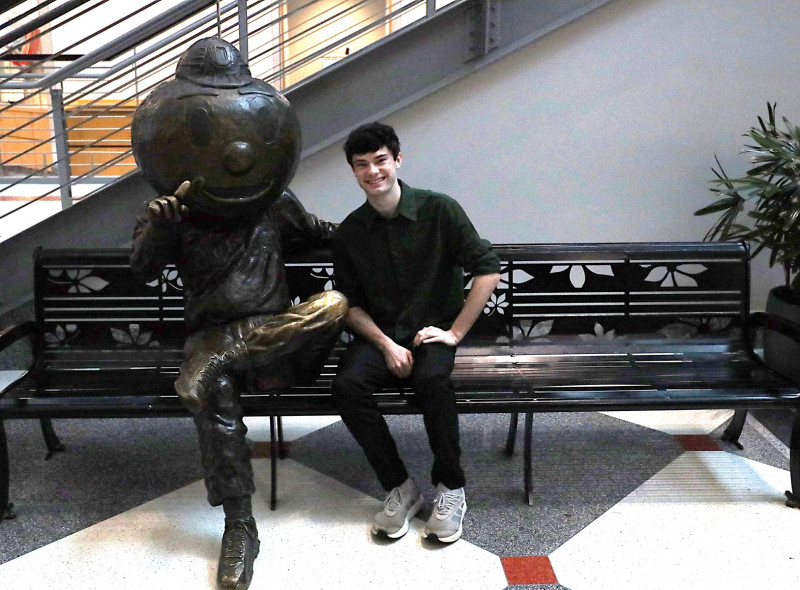 “I think Dr. Hamel and Joi have been really instrumental in leading me down a path with this internship in terms of career readiness,” Wolfe said.
“There are all kinds of different types of thinking, specifically at Ohio State in the humanities. We learn a very analytical type of thinking and critical thinking in terms of analyzing passages in books. And since Estelle and I are both in the humanities and sciences, that is another type of analytical thinking and numerical thinking. But with this [internship], we’re really doing another type of thinking, more in terms of adaptability and professionalism.”
Apewokin said the internship enabled her to apply concepts she learned in class.
“I think it’s mostly through student organizations or doing internships like this where you get more of that organizational and problem-solving experience and the decision making and figuring out how to solve problems as they arise,” she said. “That’s really been something I’ve learned a lot through this internship, and I think I'll continue being able to learn those skills and apply them in the future.”
