


College of Nursing clinical research program supports growing industry need
Program prepares students to excel in professional roles on clinical research teams

Add me on LinkedIn (opens in new window)
|
Chris Booker Ohio State News |
May 5-9 is In-Demand Jobs Week, an annual statewide celebration of the jobs, industries and skills that are in demand in Ohio.
A program at The Ohio State University’s College of Nursing is helping students prepare for a rapidly expanding field of health care work: clinical research.
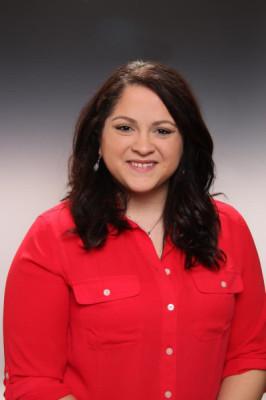 The college’s Master of Clinical Research (MCR) program is an online interdisciplinary graduate degree program. The accredited MCR program – only the second of its kind in the U.S. to earn academic accreditation – prepares students to excel as administrators, regulatory specialists and other professional roles on clinical research teams.
It’s a broad and growing field. The clinical research industry relies on professionals specially trained to navigate the complex world of medical product development and clinical research to ensure safe and effective evidence-based diagnostics, drugs, biologics and devices for the public’s health.
“We have students who now work with the NIH. We have students who are working with Merck and the pharmaceuticals industry. … Some are holding some pretty prestigious positions,” said Associate Clinical Professor Jessica Fritter. “It’s been great to see them flourish and develop, [as well as] do evidence-based dissemination and their own research.”
Graduates are prepared for in-demand careers as clinical research coordinators and managers, project and data managers, regulatory compliance officers, research quality analysts and many other positions in the clinical research enterprise.
“Nationally, there has been a growing shortage of these individuals. When COVID hit, we were able to contribute a lot of people to the enterprise through our graduates,” said Carolynn Thomas Jones, the longtime director of the MCR program who will soon retire and pass the baton of leadership to Fritter.
The program offers a multidisciplinary curriculum, covering the theory and practice of research methods and statistics, the ethics of research with human participants, the science of pharmacology and medical product regulation, and the business of research operations and management. Coursework is taught by faculty from the Colleges of Nursing and Pharmacy.
Two interdisciplinary specializations are offered:
The program concludes with a culminating project where students have an opportunity to apply best practices in clinical research operations or administration.
The workforce in clinical research is considered to be at a crisis point, with a growing demand for educated professionals. Fritter said the MCR program welcomes people with a wide range of experience so they can grow their confidence and competence in the field.
“We have so many novices in our program. They don’t have to come with clinical research experience,” Fritter said. “They could be looking for a career change. We have students who are clinical research coordinators in entry-level positions wanting to move up. Then we have people who have been in the profession for 20-plus years and are looking to build their portfolio and continue to expand their horizon.”
