

Kirwan Institute conference offers community-building resources
Event provides professional development for mental health practitioners

|
Chris Bournea Ohio State News |
Cultural and systemic barriers can prevent African Americans from seeking treatment for conditions that disproportionately affect their mental and physical health. To address these disparities, The Ohio State University’s Kirwan Institute presented the second annual African American Behavioral Health (AABH) Conference.
The event was held July 25-26 at the Fawcett Center on the Columbus campus.
“Part of both Ohio State’s land-grant mission as well as the new strategic vision that the Kirwan Institute launched in September was really around being collaborative conveners,” said Kirwan Institute Executive Director Ange-Marie Hancock. “When we say collaborative, what we really mean by that is that we partner with community organizations, but also that we partner with members in the community who are doing things right that deserve extra support or deserve extra attention.”
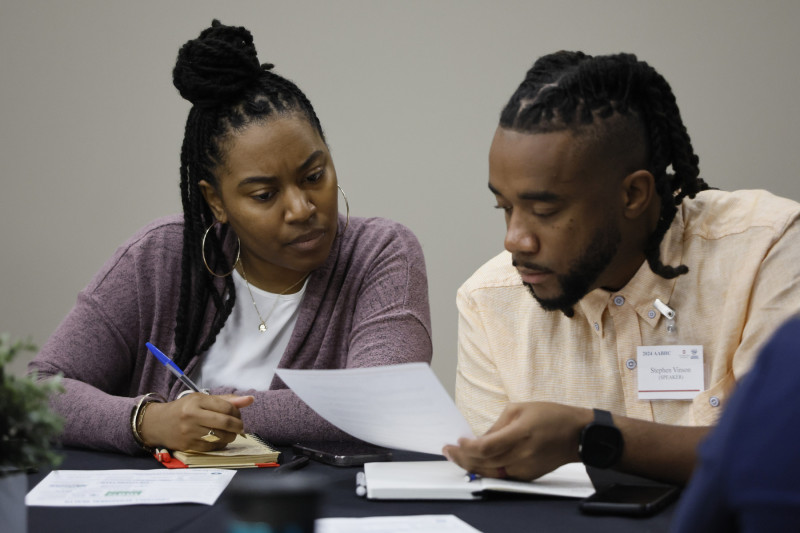 The AABH Conference featured topics ranging from how families of children with special needs can receive support and learn to advocate for themselves; addressing Alzheimer’s disease and promoting brain health; and understanding the health challenges, needs and barriers for communities of color in Appalachia.
The conference also included a keynote address by Barbara Jones Warren, a clinical professor in Ohio State’s College of Nursing, on how women can build resilience; a panel discussion on how to reduce the suicide rate among African American youth; and breakout sessions with doctors, social workers and other clinicians.
“We know social workers, school psychologists, all of those folks are out there doing tremendous work and providing tremendous value to our community,” Hancock said. “We wanted to make sure they’re properly tooled up, they’re properly supported, with all of the best and latest research.”
The conference was presented by the Kirwan Institute in partnership with Ohio State’s Office of Outreach and Engagement and the Ohio Department of Mental Health and Addiction Services.
“It’s through these kinds of deep partnerships that our Kirwan Institute is leading that we’re best positioned to benefit those we serve,” said Wendy Smooth, Ohio State’s senior vice provost for inclusive excellence. “Today’s focus on the mental well-being of African Americans certainly calls us into our purpose as an institution that is responsible for marshaling our resources and our research to enrich the lives of Ohioans.”
In the Alzheimer’s disease session, Ohio State neuropsychologist Jeremy Grant discussed risk factors such as physical inactivity, smoking, alcohol abuse, hypertension and diabetes. Research has shown that these and other risk factors can be mitigated by getting enough sleep, limiting exposure to nicotine and alcohol, exercising and eating a diet rich in fruits and vegetables, Grant said.
Maintaining an active social circle and engaging in activities that stimulate the brain, such as crossword puzzles and learning a foreign language, can also help reduce the risk of developing the disease, he said.
“Never stop learning,” Grant said. “Never stop challenging your brain.”
The panel on how to reduce the suicide rate among African American youth featured a discussion with Kamaria Tyehimba, vice president of behavioral health at Talbert House, an agency that promotes family health in the Cincinnati area; Linda Gallagher, Hamilton County Mental Health and Recovery Services Board vice president; and Ryan Hill and Sevin Adams, youths who spoke about how they’ve helped their peers address mental health issues.
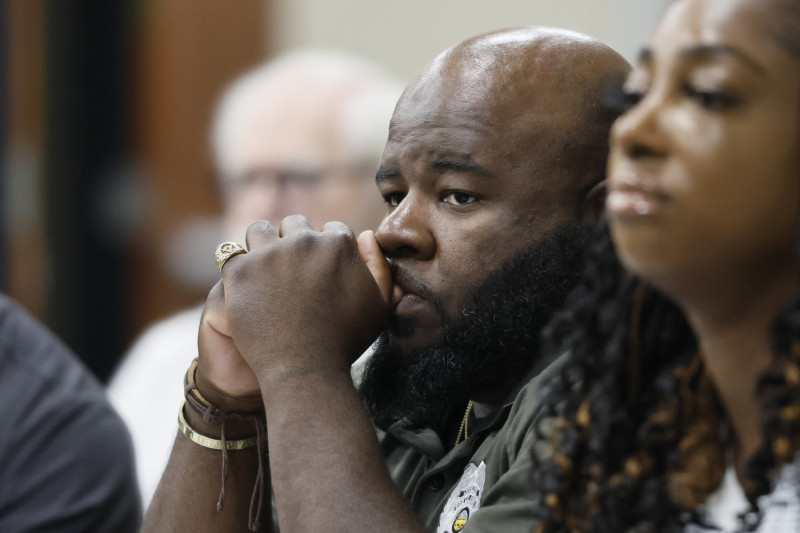 Tyehimba and Gallagher said their agencies have formed a regional coalition with community organizations and churches to provide information to individuals and families in need of substance abuse and mental health treatment.
“If someone needed services, to be admitted to a treatment program, we wanted them to be able to know how to talk to that service provider, to have a welcoming atmosphere,” Tyehimba said. “We wanted to destigmatize the whole concept around getting treatment.”
Hill and Adams offered suggestions on how parents, school officials, community members and peer groups can provide support to youth who experience depression or suicidal ideation.
Hill shared an anecdote about running into a high school classmate after graduation. The classmate told Hill that he had experienced bullying in school, and Hill’s friendship prevented him from committing suicide.
“Just being someone’s friend” made a difference, Hill said. “You never know what kindness can do.”
